If you’ve ever sat down with a box of old photographs, you know the feeling. You pull out a stack, flip through a few, and immediately feel overwhelmed. There are duplicates, blurry shots, random landscapes, and photos of people you can no longer name. And then there are the ones that stop you cold because they’re so perfectly, achingly real.
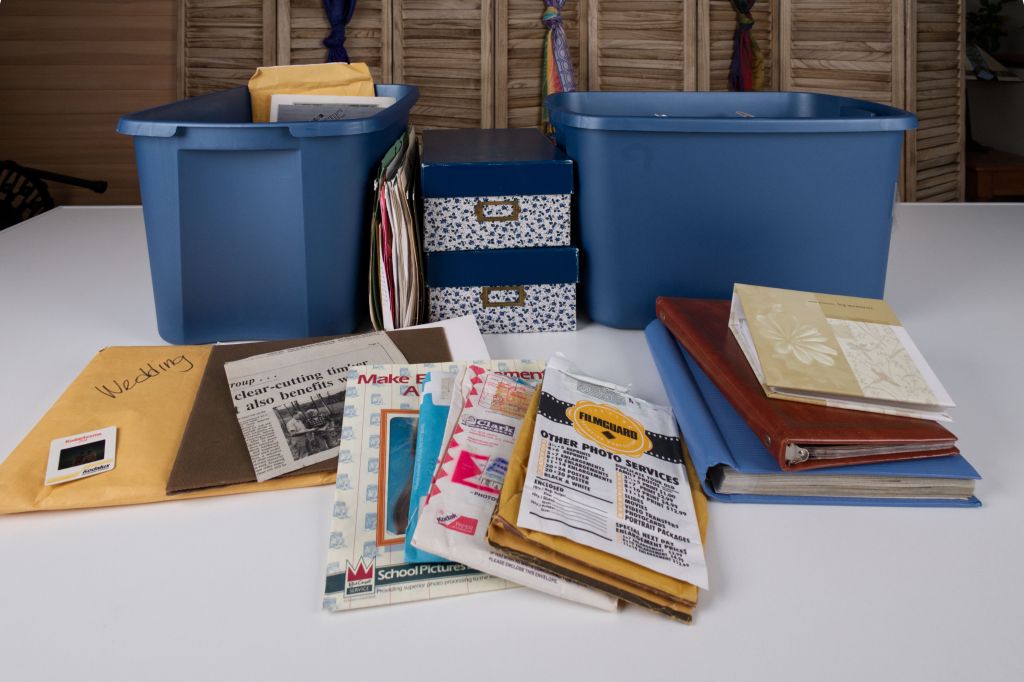
Deciding what to keep and what to release is one of the most common things families wrestle with when they start organizing their photos. Here’s a gentle guide to help you think it through.
Start With What Tells a Story
The best question to ask about any photo isn’t “Is this good?” It’s “Does this tell a story?”
A slightly blurry photo of your parents dancing at a wedding might be worth keeping. A perfectly focused shot of a parking lot from 1987 probably isn’t. Photos that capture relationships, emotions, and moments in time are the ones your family will return to again and again. Technical quality matters less than meaning.
Look for photos that show people together, that capture a moment that was important to someone, or that document a chapter of your family’s life. Those are your keepers.
What You Can Let Go of Without Guilt
Some categories of photos are safe to release, and giving yourself permission to do so makes the whole project feel lighter.
Duplicates are a big one. Drugstore processing often produced multiple copies of the same print. You don’t need four identical shots of the Christmas tree. Keep your favorite, let the rest go.
Out-of-focus or poorly exposed photos, where you can’t make out what’s happening or who’s in them, rarely add value. If you can’t tell what the moment was, it’s unlikely anyone else will either.
Photos of places without people tend to be low priority unless the location itself is deeply meaningful. A vacation snapshot of a hotel pool isn’t the same as a photo of the family standing outside the old farmhouse.
When You’re Not Sure, Keep It for Now
It’s okay to have a “not sure” pile. Organizing your photos doesn’t have to mean making a final decision on every single print in one sitting. Set aside anything that gives you pause and come back to it later. Sometimes a photo needs a second look, or someone else in the family to weigh in.
What you want to avoid is tossing something in a moment of overwhelm and regretting it later. When in doubt, keep it.
Educational Takeaway: Before you sit down to sort, gather a small box with three categories: Keep, Let Go, and Not Sure. Having a physical system in front of you makes the decisions feel less permanent and keeps the process moving without the pressure of getting everything right on the first pass.
Arranged Memories works with families in Washington County, Waukesha County, and Ozaukee County to sort, organize, and preserve the photos that matter most.
Leave a Reply