Storage Ideas for Old Prints and Negatives
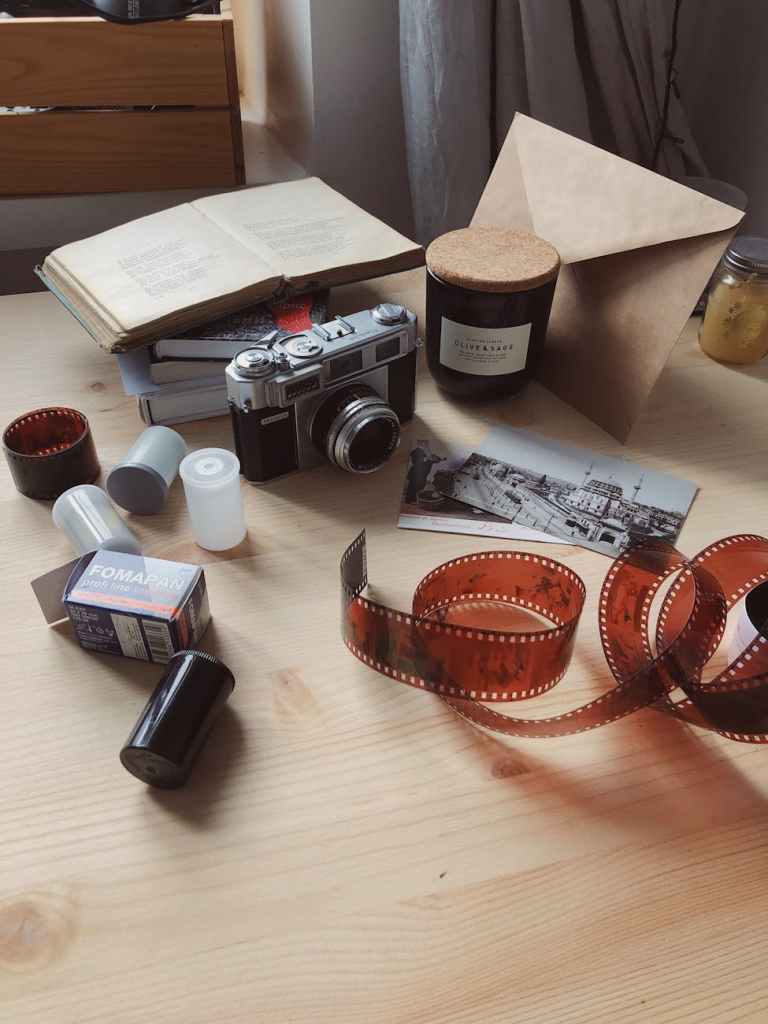
Old photographs and negatives are precious keepsakes, capturing moments from family gatherings to historical milestones. These physical treasures, however, are fragile and can fade, yellow, or become damaged without proper care. By storing them correctly, you can protect your prints and negatives for years to come. Here are five essential tips to ensure your memories remain safe and preserved.
1. Use Archival-Quality Storage
To prevent deterioration, store your prints and negatives in materials designed for long-term preservation. Archival-quality products are free from acids and lignins (complex, branched biopolymers that act as structural support and rigidity in plant cell walls, acting as a “glue” for cellulose and hemicellulose, definition from google) that can harm photos over time. Consider:
– Photo sleeves or envelopes: Choose acid-free paper or plastic like polyester or polyethylene.
– Archival boxes: Look for sturdy, acid-free boxes to protect against dust and light.
– Negative sleeves: Use specialized sleeves to keep negatives flat and safe.
Avoid PVC sleeves or standard plastic bags, as they can release chemicals that damage photos. Check product labels for terms like “acid-free” or “archival-safe” to ensure quality.
2. Control Temperature and Humidity
Heat and humidity can accelerate damage to prints and negatives, causing fading, mold, or sticking. To protect your collection:
– Keep temperatures cool and stable: Aim for 65-70°F (18-21°C).
– Maintain low humidity: Target 30-40% relative humidity to prevent moisture-related issues.
– Avoid basements or attics: These areas often have fluctuating conditions that can harm photos.
Store your photos in a climate-controlled area, such as a closet on an interior wall. A dehumidifier or hygrometer can help monitor and manage conditions if needed.
3. Shield from Light Exposure
Light, particularly sunlight and fluorescent bulbs, can cause photos and negatives to fade over time. To minimize this risk:
– Store prints and negatives in dark, enclosed containers like archival boxes.
– Avoid displaying original photos in direct sunlight or under harsh lighting.
– Use opaque sleeves for negatives to block light completely.
If you want to display your photos, consider framing copies or using UV-protective glass to reduce light damage to originals.
4. Handle with Care
Improper handling can lead to fingerprints, scratches, or tears on your prints and negatives. To keep them safe:
– Wear clean, cotton gloves: This prevents oils from your hands from transferring to photos.
– Hold by the edges: Avoid touching the image surface directly.
– Work on a clean surface: Ensure your workspace is free of dust, food, or liquids.
Take your time when sorting or moving photos to avoid accidental damage, especially with fragile negatives or older prints.
5. Create Digital Backups
Even with careful storage, physical photos and negatives are vulnerable to accidents like fire, water damage, or loss. Digitizing your collection provides a reliable backup. By scanning prints and negatives into high-resolution digital files, you can:
– Preserve images in their current condition before further deterioration.
– Store copies on a hard drive, USB, or cloud service for safekeeping.
– Access and share memories without risking the originals.
Use a flatbed scanner for prints and a dedicated negative scanner for film to ensure high-quality results. Always back up digital files in multiple locations for added security.
Fun Fact: Flipping through old photos after digitizing is a joyful trip down memory lane! Rediscovering forgotten moments—wedding smiles, childhood antics, or vintage adventures—sparks laughter and nostalgia, making organizing your memories a fun, heartwarming experience that connects you to your past.
Final Thoughts
Your old prints and negatives hold irreplaceable stories, and with the right care, you can protect them for future generations. By using archival materials, controlling storage conditions, minimizing light exposure, handling carefully, and creating digital backups, you can ensure your memories remain vibrant and safe. Take the time to assess your collection and implement these tips to preserve your legacy.
Leave a Reply